Cork
51°53′50″N 8°28′12″W
After a reasonably long day on the road from Dublin we rolled into Cork late in the afternoon looking for our accommodation. Unbeknownst to us we had booked Lee Point a new student accommodation facility which was available for tourists throughout the holiday season. The accommodation was great, and it was right in the centre of town which is convenient for later access. However, getting to it was a major challenge which entailed driving through the very narrow curvy old streets organised into a one way system which was so unforgiving that any missed turn meant another ride around. I should have just reversed one block back through the construction works to reach the accommodation.
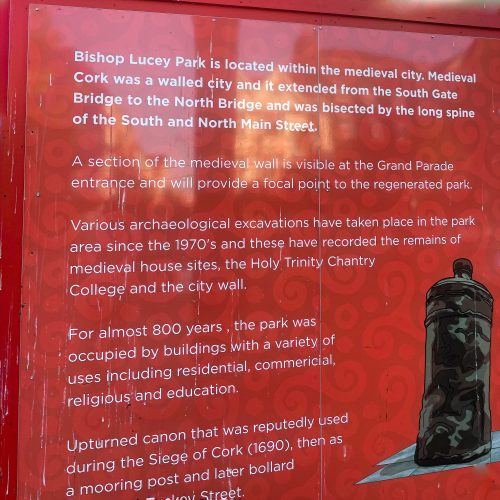
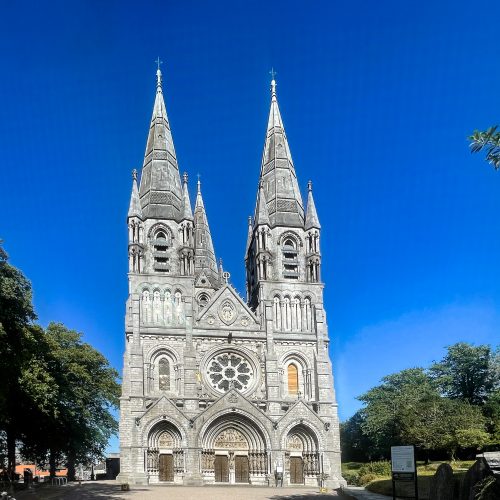
During our visit the centre of Cork was basically a construction site which was transforming a narrow streeted old town centre into a pedestrian paradise centred on Oliver Plunkett Street commercial area and the newly renovated Bishop Lucey Park which was still hidden behind construction fencing and promised to be completed some time soon (that time was in fact 14 November 2025, but I missed it by four months). We did explore the centre, found St Fin Barre’s Cathedral, which was locked up, and a great seafood restaurant, but the main objective of our visit to this part of the world was to explore the coastline and the countryside including Blarney Castle.
Kinsale
51°42′20″N 8°31′20″W
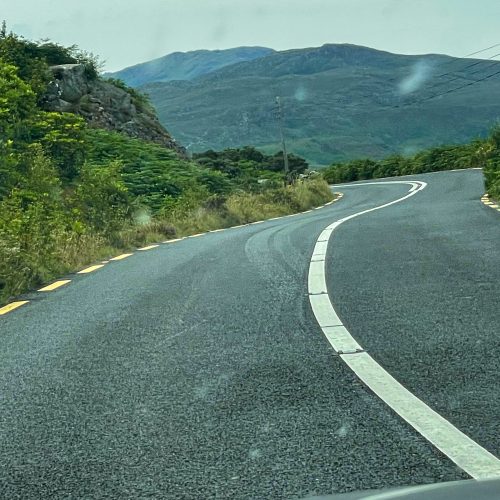
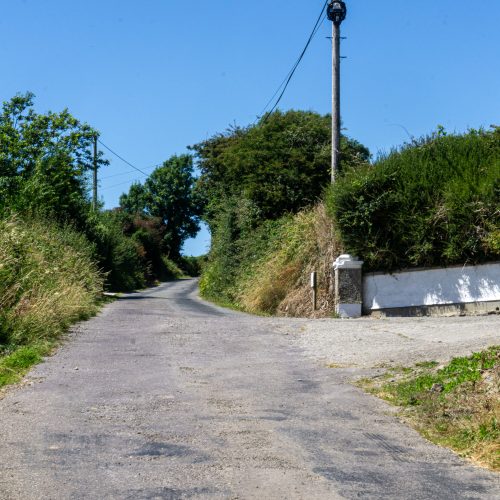
We only had one full day, so we set off early with a vague idea of finding the coast. Along the way we found some of the famed small roads of Ireland, quite a contrast to the grade separated freeway we had travelled between Dublin and Cork.
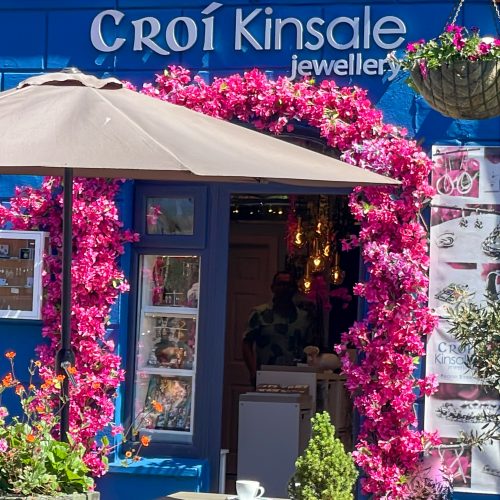
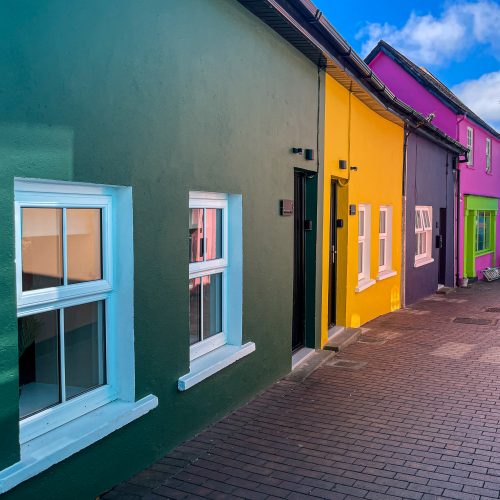
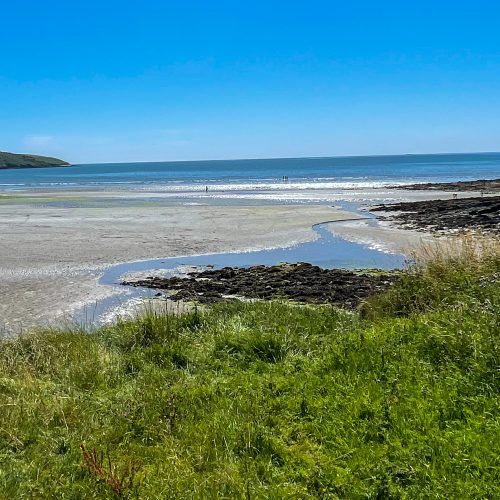
Our first stop was Kinsale and then some lovely coastal areas between there and Timoleague. It turns our that Kinsale is a popular tourist destination – due to its colourful buildings – and is noted for being the site of the sinking of the Lusitania in the early months of the First World War, although there was no indication of that which we noticed.
Timoleague
51.64250°N, 8.76306°W
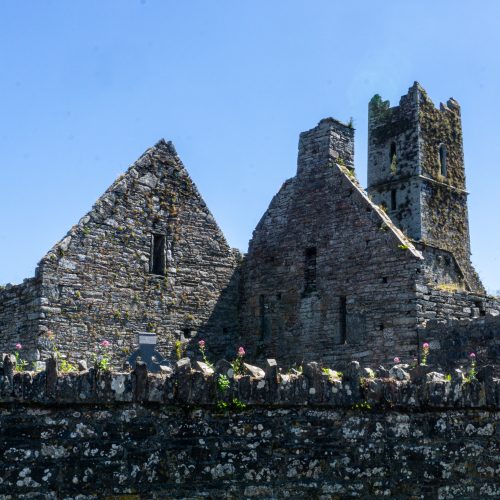
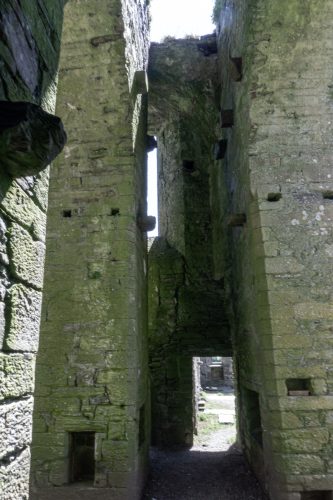
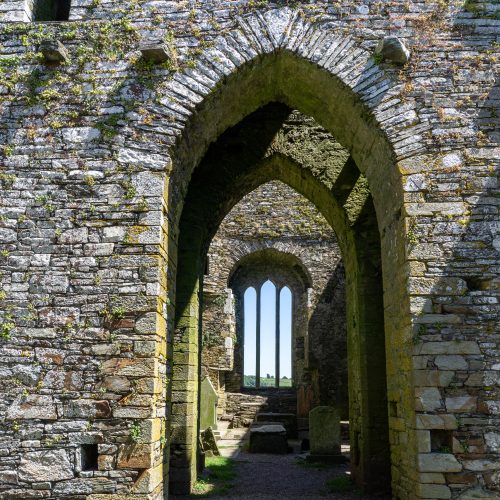
We headed across to Timoleague, for no particular reason, where we found (because you can’t miss it!) the ruins of the Timoleague Friary. Established by the Franciscans in 1240 on the site of an early Christian monastic site, it carried on business surviving the dissolution of the monasteries by Henry VIII, recovered under the catholic James until 1631 when it was finally abandoned to be plundered by protestant settlers for building materials. It leaves a stark reminder of the passage of time and the impact of religious differences.
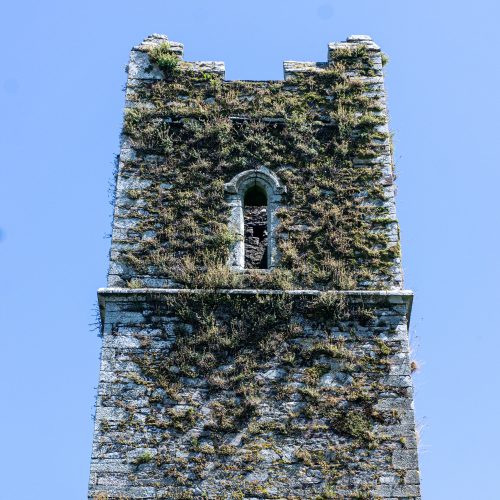
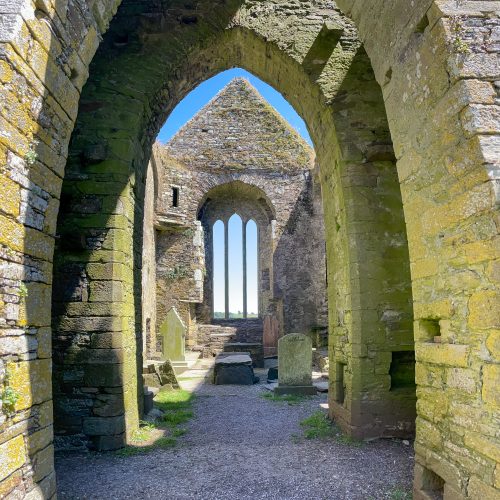
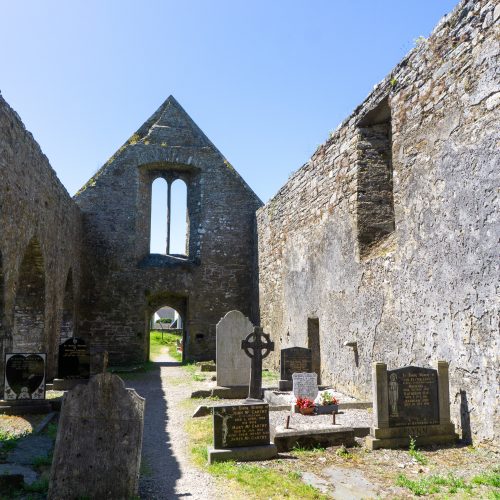
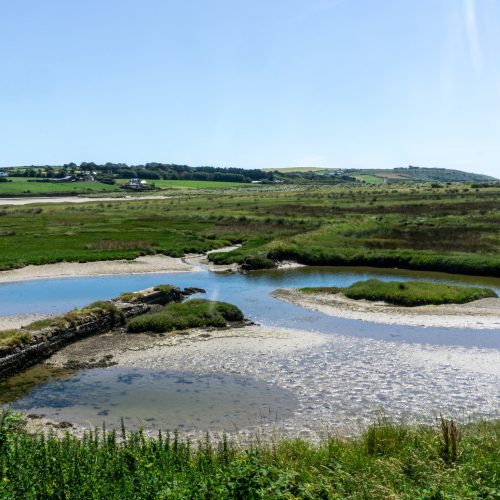
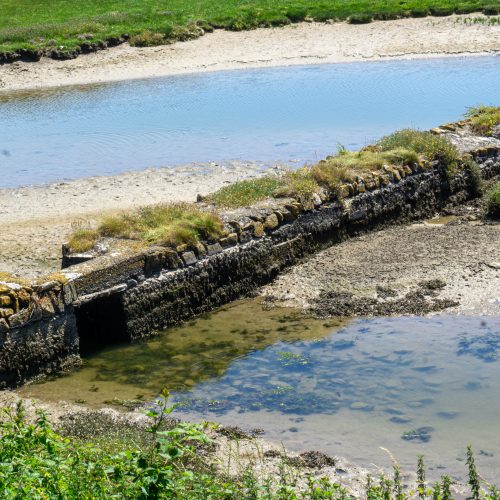
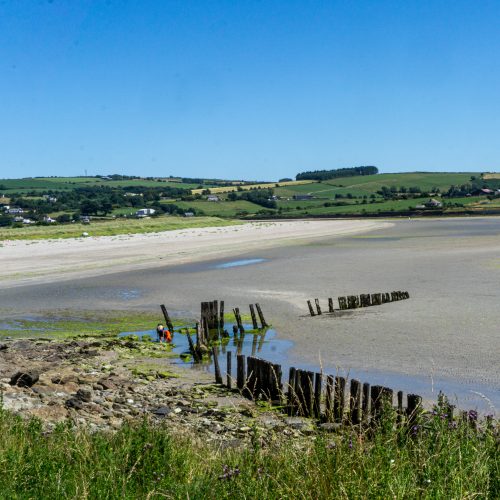
Timoleague lies on the estuary of the Argideen River also known as the Timoleague Estuary. On 1 November 1755 one of the largest earthquakes ever recorded hit Lisbon, Portugal. Three hours later, six meter tsunami waves reached the southern Irish Coast, causing extensive damage. Historical, scientific and archaeological investigations in recent times have scaled back the traditional stories of mass destruction by 45 m high waves. The damage was real, however, and nowhere more importantly than in the estuary itself which began a rapid silting process triggered by the silt deposited by the tsunami. The result was that a thriving town and important port for the trade with Spain and Southern Europe in general lost its capacity to operate.
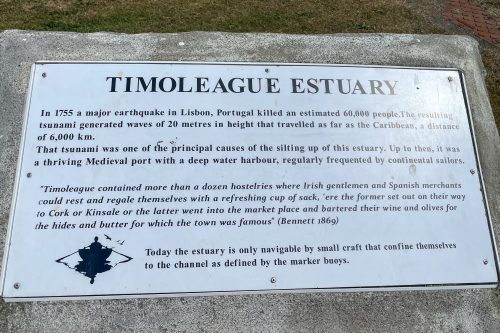
The sign announcing all this at Timoleague overlooking the estuary stays with the 20 m wave story but also marks the social and economic impact of the event.
We overheard a conversation between Americans on the ferry to Ireland where one woman describes Irish roads as narrow, dangerous and really not pleasant to drive on. On first blush, she seems right. However, I think context is important. While I don’t really enjoy driving on the narrow backroads in France, it is because they drive on the wrong side of the road. Ireland was a breeze for an Australian driver used to keeping left even on roads such as this.
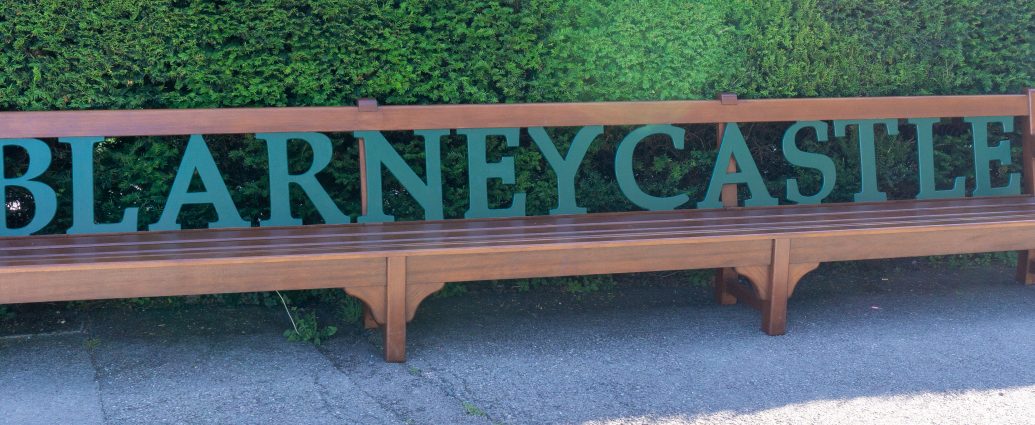
The Blarney Castle Adventure
51.9289°N 8.5708°W
On the way back to Cork, we diverted to make a visit to Blarney Castle. How could I not?
For my whole life my mother told the story of disinheritance from the Blarney Castle riches which her family had suffered. Her grandmother’s maiden name was Blaney. Close enough to Blarney to generate a legend that the Blaney family somehow split from the Blarney family and lost access to the rivers of gold from the Aristocratic Seat. She was always careful to start her stories with “I believe that…..” but there were tales of lost riches and distant relatives travelling to Ireland to research family history to reclaim the inheritance.
It took only a few moments of casual tourism to discover that the castle was originally developed by the McCarthy dynasty in 1446, lost during the 1646 as a result of a war, recovered soon after, lost again in the 1690s and sold and changed hands several times thereafter before being finally purchased in the early 18th century by Sir James Jeffereys, the then governor of the City of Cork whose descendants married the Colthurst family members who are the current owners. No Blaneys or Blarneys anywhere; no lost heritage; no family history that needed researching.
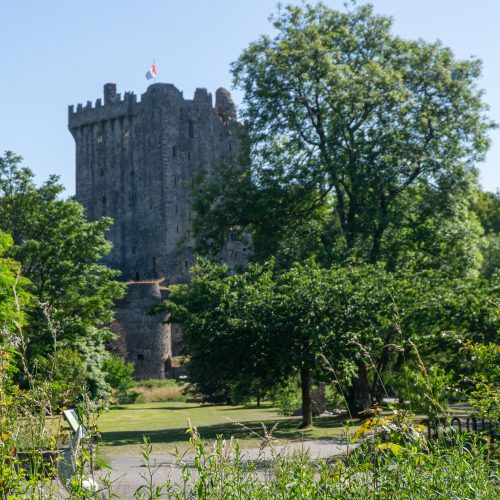
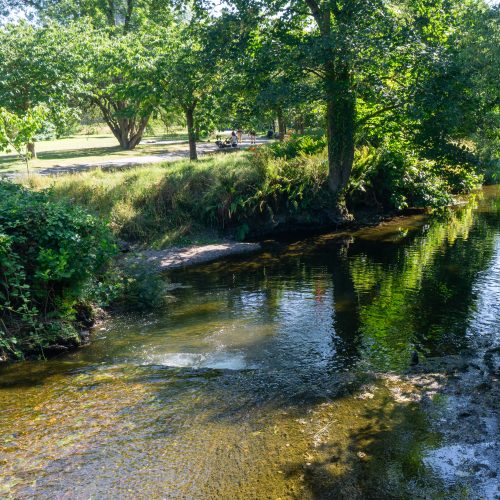
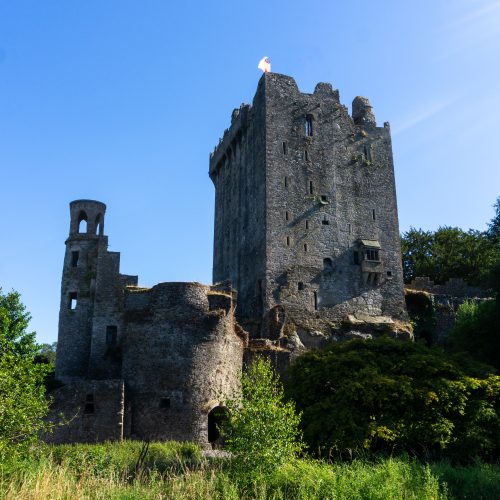
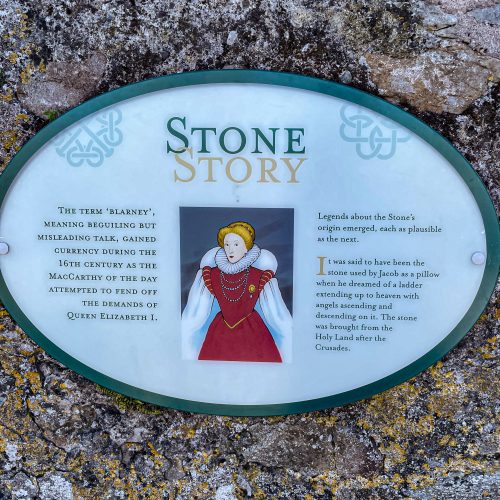
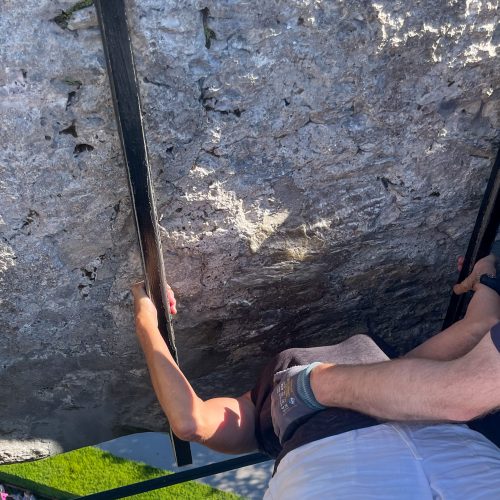
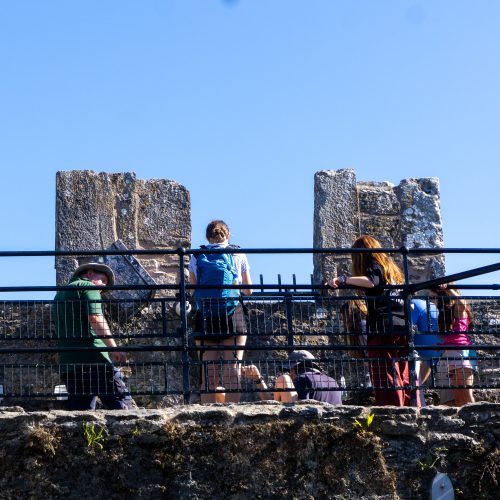
We did, however, fall prey to the tourist trap and climbed to the top to kiss the Blarney Stone, which has several origin stories ranging from biblical to regal. The version chosen by the people who run the place is that the stone may have been brought from the Holy Land after the Crusades and had been the stone used by Jacob as a pillow when he dreamed up the idea of Jacob’s ladder to heaven for the angles to use. The name Blarney gained currency in the 16th Century and has always carried the meaning of Beguiling but misleading talk. Often it starts with the words “I believe…”.
Conclusion
County Cork is a lovely area with a rich and deep history of which we bearly touched the surface. It is certainly worth more than the two days we had available. Again the food was great, the welcome warm and the stories all good. I had not realised that this had been such an important gateway to the trade from the South of Europe and such a gallery to sit and observe the passage of commerce connecting Europe and the USA.
From here it is off to Galway via a short visit to the ring of Kerry.
Damn and so close to getting a run down castle to put a few million into!